

What Are the Lyft and Uber Driver Requirements in Houston, Texas?
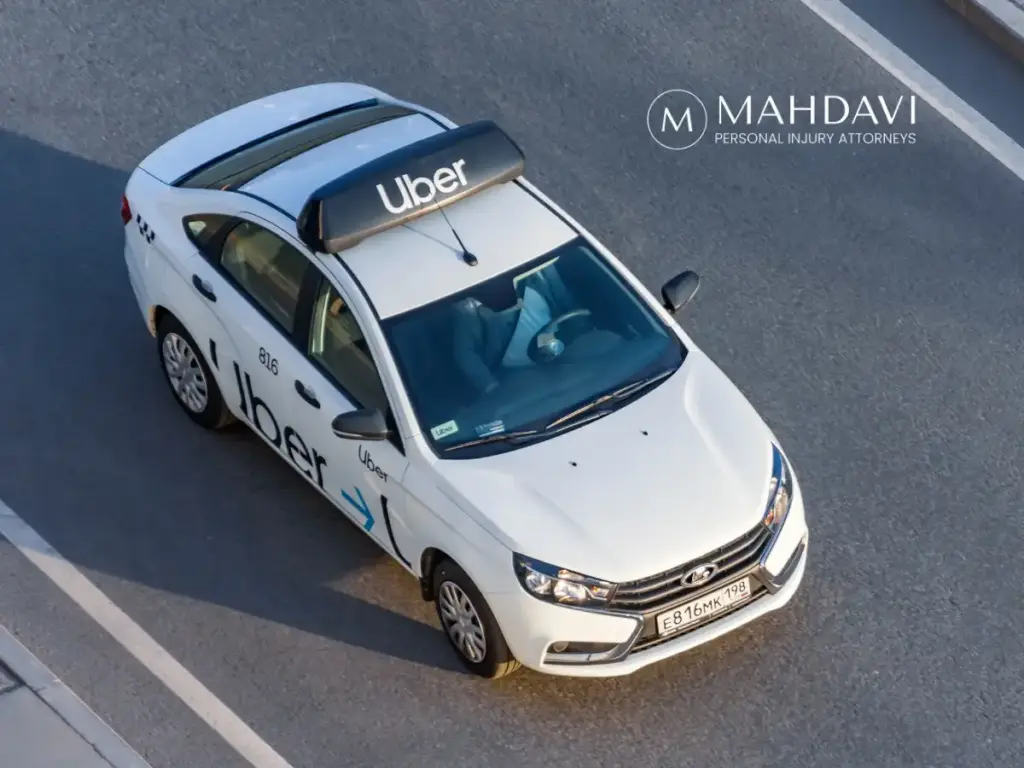
If you were injured in an Uber or Lyft accident, you may have questions that go beyond who caused the crash. Was the driver properly screened? Did they meet the company’s eligibility requirements? Was the vehicle approved to transport passengers? While these questions do not determine liability by themselves, the answers may become important during an insurance investigation or personal injury claim.
Uber driver requirements include minimum standards for a driver’s age, driving history, background screening, insurance, and vehicle eligibility. Both Uber and Lyft also require drivers to satisfy specific company policies before they can begin accepting ride requests. Knowing what those requirements are can help you understand how rideshare accident claims work, what evidence may become relevant after a collision, and how Texas law and company policies may affect your legal rights.
At a Glance
- Uber driver requirements include age, licensing, background check, vehicle, and insurance requirements.
- Both Uber and Lyft require rideshare drivers to satisfy specific vehicle and driver requirements before accepting passengers.
- Insurance coverage often depends on the driver’s status in the app at the time of the collision.
- A driver’s failure to meet company standards or Texas law may become an important issue in certain rideshare accident investigations.
- Speaking with a rideshare accident lawyer can help you understand your legal options after an Uber or Lyft accident.
Why Do Uber and Lyft Have Driver Requirements?
Millions of people rely on Uber and Lyft for transportation every year. Because these rideshare services connect passengers with independent drivers using a mobile app, both companies establish screening procedures designed to improve passenger safety and reduce risk.
These vehicle and driver requirements help determine whether someone is eligible to drive for a rideshare company. While exact qualifications may change over time, both companies evaluate applicants before allowing them to accept ride requests.
These requirements also play an important role after a rideshare accident. If questions arise about whether a driver satisfied company standards or complied with applicable Texas law, that information may become relevant during an insurance investigation or personal injury claim.
What Are the Driver Requirements in Houston, Texas?
Although Uber and Lyft establish their own eligibility standards, Lyft driver requirements and Uber’s requirements must also comply with Texas law, which regulates transportation network companies (TNCs). Under Chapter 2402 of the Texas Transportation Code, TNCs must conduct background screenings, verify certain driver qualifications, and maintain required insurance coverage while operating in the state.
At the time of writing, individuals who want to drive for either company in Houston must satisfy several eligibility requirements before completing the application process.
Meet the Minimum Age Requirement
Applicants must satisfy the minimum age requirements established by Uber and Lyft before becoming eligible to drive on the platform. The required age may vary depending on the type of service offered, but applicants must also have sufficient licensed driving experience before they can begin accepting rides.
Have a Valid Driver’s License
Every applicant must possess a valid driver’s license issued by the appropriate state authority. Drivers must also continue maintaining a valid license while driving for Uber.
If a license is suspended, revoked, or expires, the driver may no longer qualify to provide rideshare services until the issue is resolved.
Meet Driving Experience Requirements
Both Uber and Lyft review an applicant’s driving record as part of the screening process. In addition to holding a valid driver’s license, applicants must have the required amount of licensed driving experience before they can drive passengers.
Both companies also review an applicant’s recent driving history for serious driving violations, helping identify drivers who may present a greater safety risk.
Pass a Background Check
A background check is one of the most important parts of the approval process. Before an applicant begins driving, Uber and Lyft perform driver screening that typically includes a review of criminal history and driving history. Depending on the findings, certain criminal offenses or recent serious driving violations may disqualify an applicant from driving on either platform.
Both companies may also conduct periodic background check reviews to help confirm that drivers continue meeting company standards.
What Vehicle Requirements Must Uber and Lyft Drivers Meet?
Meeting the driver requirements is only part of the approval process. Both Uber and Lyft also establish vehicle requirements designed to promote passenger safety and reliability.
Although specific standards vary based on the service level and vehicle category, many approved vehicles share several common characteristics.
Basic Vehicle Requirements
Most rideshare vehicles must:
- Have four doors
- Be in good operating condition
- Meet applicable age requirements for the market
- Have current registration
- Carry required personal auto insurance
- Be free from significant cosmetic or mechanical damage
Certain specialty vehicles, rebuilt vehicles, salvage-title vehicles, and some commercial vehicles may not qualify for all rideshare services.
Vehicle Inspection Requirements
Many approved vehicles must also pass a vehicle inspection before they are activated on the platform. The inspection helps verify that important safety systems, such as brakes, tires, lights, steering, and seat belts, are functioning properly.
Drivers are responsible for maintaining their vehicles in safe operating condition after approval as well. Failure to maintain a qualifying rideshare vehicle could affect a driver’s eligibility to continue providing transportation services.
How Do Insurance Requirements Work for Uber and Lyft Drivers?
Unlike many other motor vehicle collisions, the insurance coverage available after an Uber or Lyft accident often depends on what the driver was doing when the crash occurred.
Both Uber and Lyft require rideshare drivers to maintain personal insurance, but additional insurance coverage may become available while the driver is using the app. Texas law also requires transportation network companies to maintain certain minimum levels of coverage during specific periods of a trip.
Personal Auto Insurance Before Logging Into the App
When a driver is not using the Uber or Lyft app, the driver’s own personal auto insurance typically applies if an accident occurs. During this time, the rideshare company’s coverage usually does not apply because the driver is not engaged in rideshare services.
Limited Coverage While Waiting for a Ride Request
Once the driver logs into the app and is waiting for a ride request, different insurance policies may apply. During this period, insurance coverage depends on the driver’s app status, and both Texas law and company policies determine what insurance is available.
Increased Coverage While En Route or Transporting Passengers
When a driver is en route to pick up a passenger or actively transporting one, substantially higher insurance limits are available. At the time of writing, both Uber and Lyft provide up to $1 million in third-party liability insurance coverage during these active trip periods, although coverage may vary in certain markets and under specific circumstances. The available insurance may also include additional coverage, depending on the circumstances of the collision and the applicable policy.
Because Lyft and Uber insurance requirements vary depending on whether a driver is offline, waiting for a ride request, en route to pick up a passenger, or transporting a passenger, determining which insurance policy applies after a rideshare accident is not always straightforward. A careful review of the driver’s app status, the available insurance information, and the facts surrounding the crash is often necessary before a claim can be fully evaluated.
How Can Driver Requirements Affect an Uber or Lyft Accident Claim?
Most people never think about driver requirements until an accident happens. After a collision, however, questions about whether the driver met company standards may become important when evaluating liability and available insurance coverage.
For example, investigators may examine whether the driver:
- Passed the required background check
- Maintained a valid driver’s license
- Continued meeting applicable vehicle requirements
- Carried the required personal insurance
- Operated an approved rideshare vehicle
- Complied with applicable Texas law
Although failing to meet one of these requirements does not automatically establish liability, it may become relevant during certain rideshare accident cases, particularly if the issue contributed to the collision or affected available insurance coverage.
What Should You Do if You Believe an Uber or Lyft Driver Did Not Meet the Requirements?
If you believe an Uber or Lyft driver may not have met the company’s eligibility requirements before the collision, avoid assuming that issue alone determines liability. Instead, focus on preserving evidence and documenting the facts surrounding the accident.
If possible:
- Continue following your medical provider’s treatment recommendations and keep copies of your medical records.
- Save photographs, videos, and other evidence related to the collision.
- Keep copies of communications with the rideshare company and any insurance carriers.
- Avoid giving recorded statements before you fully understand your legal rights.
- Consult a rideshare accident lawyer if you have questions about how the driver’s qualifications, insurance coverage, or other evidence could affect your claim.
A thorough investigation may determine whether the driver complied with company policies and Texas law, what insurance applies, and whether additional evidence could affect your ability to recover compensation.
Frequently Asked Questions
Can someone drive for Uber without a background check?
Uber requires applicants to complete a background check before they are approved to drive. The company also conducts ongoing driver screening in certain circumstances to help verify that drivers continue meeting company standards.
Do Uber and Lyft have the same driver requirements?
Uber and Lyft have many similar eligibility standards, including requirements related to age, licensing, background check, vehicle inspection, and insurance. However, specific policies may differ between the two companies and can change over time.
Does personal auto insurance cover rideshare driving?
While personal auto insurance may apply when a driver is not using the app, different insurance coverage may become available once the driver logs in or begins transporting passengers. The applicable insurance often depends on the driver’s app status at the time of the collision.
Can a driver’s qualifications affect a rideshare accident claim?
They can in some situations. Whether a driver met applicable driver requirements, maintained the necessary insurance, or complied with company standards may become relevant when investigating certain rideshare accident claims.
Can I recover compensation after an Uber or Lyft accident?
If another party’s negligence caused your injuries, you may be able to recover compensation for losses such as medical expenses, lost income, property damage, and other damages allowed under Texas law. Every case is different, and the available compensation depends on the specific facts.
Talk With a Houston Rideshare Accident Lawyer About Your Legal Options
An Uber or Lyft accident can leave you dealing with painful injuries, mounting medical bills, and uncertainty about which insurance policy applies. Determining liability often requires reviewing the driver’s qualifications, insurance coverage, company records, and the circumstances surrounding the collision. Taking prompt action can help preserve important evidence and protect your ability to pursue compensation.
Founding Attorney Cyrus Mahdavi and the rideshare accident lawyers at The Mahdavi Law Firm PLLC represent individuals injured in rideshare accidents throughout Houston and across Texas. Whether your case involves an Uber or Lyft driver, another vehicle, or multiple insurance carriers, our firm can evaluate your claim, explain your legal options, and guide you through the legal process from start to finish.
We offer a free consultation, and you pay no attorney’s fees unless compensation is recovered on your behalf. Call (855) 624-3284 or complete our confidential online form to schedule your free consultation today.
Copyright © 2026. The Mahdavi Law Firm PLLC. All rights reserved.
The information in this blog post (“post”) is provided for general informational purposes only and may not reflect the current law in your jurisdiction. No information in this post should be construed as legal advice from the individual author or the law firm, nor is it intended to be a substitute for legal counsel on any subject matter. No reader of this post should act or refrain from acting based on any information included in or accessible through this post without seeking the appropriate legal or other professional advice on the particular facts and circumstances at issue from a lawyer licensed in the recipient’s state, country, or other appropriate licensing jurisdiction.
The Mahdavi Law Firm PLLC
3900 Essex Lane, Suite 600
Houston, TX 77027
(855) 624-3284
https://mahdavilawfirm.com/
Ask A Question,
Tell Us Your Situation, &
Request A Free Consultation
Contact Us & We’ll Guide You Through Your Next Steps!
Required Fields*
Your Information Is Safe With Us.
We respect your privacy. The information you provide will be used to answer your question or to schedule an appointment if requested.
Related Topics
Related Blog Posts
Professional Associations




FAQ’S
Your Questions Answered
We offer clear guidance to help you make informed decisions about your personal injury case.
Following an accident or injury, you may have more questions than answers. At The Mahdavi Law Firm PLLC, our personal injury attorneys are here to help you understand your rights and the steps you can take to seek compensation for your losses.
What types of cases does your personal injury law firm handle?
Our TX personal injury lawyers handle a broad range of personal injury claims across Texas. We represent individuals and families affected by:
- Car accidents, including multi-vehicle, hit-and-run, and rear-end collisions
- Truck and 18-wheeler accidents
- Motorcycle accidents
- Uber, Lyft, and other rideshare accidents
- Bus accidents
- Other auto accidents
- Boating accidents
- Aviation accidents
- Pedestrian and bicycle accidents
- Slip and fall injuries (premises liability)
- Negligent security claims
- Dog bite injuries
- Workplace injuries, including construction-related accidents and oilfield injuries
- Nursing home abuse or neglect
- Wrongful death cases
If someone else’s negligence caused your injury, our personal injury lawyers may be able to help you pursue fair compensation for medical expenses, lost wages, and long-term recovery needs.
How long do personal injury cases typically take to resolve?
Each personal injury claim is unique. The timeline depends on factors such as the extent of your medical treatment, case complexity, and how the insurance company responds. Some matters may resolve within months, while others require more time, especially if a lawsuit becomes necessary. Our team keeps you updated throughout the process and works efficiently to help you pursue a fair resolution.
What should I do if I’ve been injured in an accident?
- Seek medical attention immediately, even if your injuries seem minor.
- Report the accident to law enforcement or the property owner.
- Gather documentation as photos, witness names, and contact information.
- Avoid speaking with the insurance company without legal representation.
- Contact The Mahdavi Law Firm PLLC for a free consultation to discuss your situation when injured in accident and next steps.
What if I can’t afford medical treatment for my injuries?
If you’re unable to afford medical treatment, we may help you connect with healthcare providers who work on a lien basis. This allows you to access care now while payment is arranged from your settlement later. Our personal injury attorneys help clients access the resources they need to focus on recovery while we handle the legal details.
Why should I hire a personal injury attorney instead of handling the case myself?
While you may legally handle a claim on your own, doing so often leads to lower settlements. Insurance companies are trained to limit payouts. Hiring experienced injury attorneys can make a substantial difference.
At The Mahdavi Law Firm, PLLC, we:
- Handle communication with the insurance company
- Calculate lost wages, medical expenses, and non-economic damages
- Build a strong case supported by evidence and expert analysis
- Manage deadlines and filings to protect your rights
- Advocate in court when necessary
Personal injury victims represented by attorneys often recover more compensation than those who pursue claims alone. Let The Mahdavi Law Firm PLLC guide you through the process and help you seek fair compensation for what you’ve lost. We can discuss your path forward during your free consultation.
Related Blogs
What Are the Lyft and Uber Driver Requirements in Houston, Texas?
If you were injured in an Uber or Lyft accident, you may have questions that…

Cyrus Mahdavi
August 15, 2026

Taxi Cab vs. Uber: Which Is Safer in Houston, Texas?
Most people in Houston rely on their own car to get around, but taxis and…
Cyrus Mahdavi
February 15, 2026