

What Are the Most Common Causes of Oil Rig Accidents in Houston, Texas?
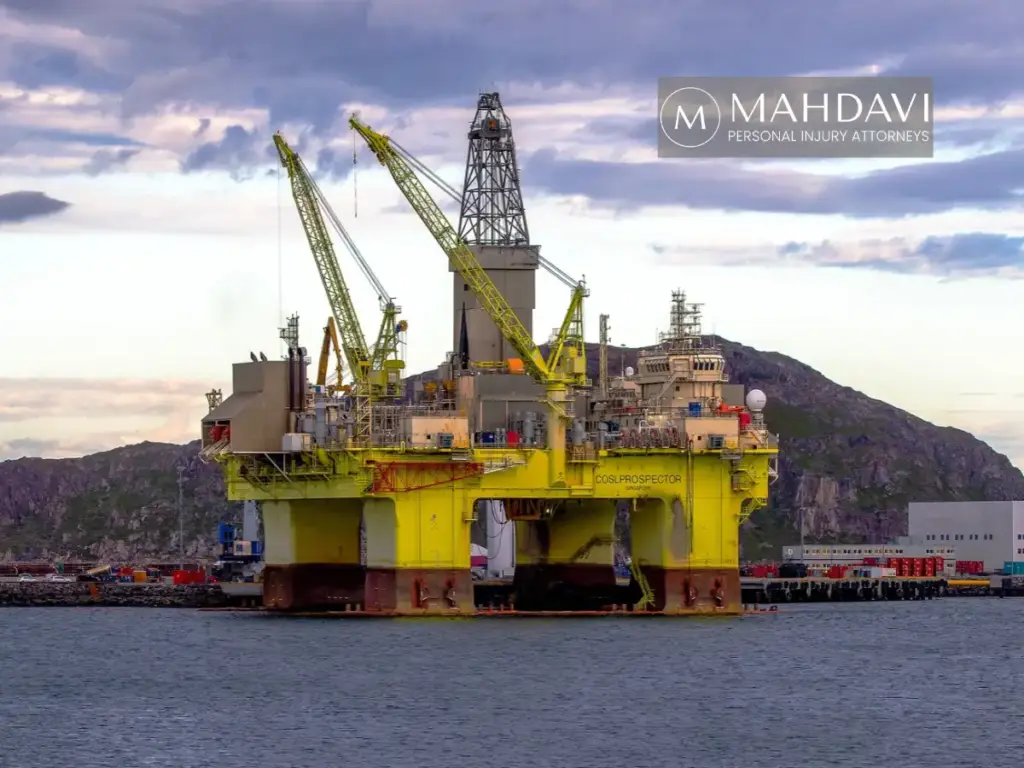
The company’s incident report may already be written. It may say the accident happened fast, that safety procedures were in place, and that nobody could have seen it coming. It could even point at you.
You were there, though. You know if the cable was frayed, whether the gas monitor had been acting up, or how hard the crew was pushed to finish before the weather turned. Those details can reveal what caused your injury and which companies may be responsible for it.
Oil rig accidents in Houston and across Texas follow familiar patterns, and knowing them can show you where to look.
At a Glance
- Common causes: Heavy equipment accidents, machinery failures, fires, explosions, falls, toxic gas exposure, and vehicle crashes on the way to and from well sites.
- Serious consequences: Oilfield injuries can cause crush injuries, burns, amputations, permanent disabilities, and fatalities.
- Preventable hazards: Poor maintenance, inadequate safety training, and unsafe work practices can contribute to accidents.
- Potential liability: Employers, contractors, equipment manufacturers, and other parties may bear responsibility.
- Legal options: Your employer’s workers’ compensation coverage affects whether you can sue the employer, while claims against negligent third parties may also be available.
What Are the Most Common Causes of Oil Rig Accidents?
According to the Occupational Safety and Health Administration (OSHA), highway vehicle crashes are the leading cause of death for oil and gas extraction workers, accounting for roughly 4 in 10 worker fatalities. At the well site itself, struck-by, caught-in, and caught-between hazards cause three out of five on-site deaths.
A 2024 CDC study documented 2,101 severe oil and gas extraction injuries across 32 federal OSHA jurisdictions between January 2015 and July 2022. Texas accounted for 1,134 of them, more than half the total. Contact with objects and equipment caused 60.9% of the injuries, and slips, trips, and falls caused 17.6%.
More than 93% of the severe injury reports involved workers employed by drilling or well-servicing contractors, not the companies that own the wells. When several companies share a site, more than one may share fault, which can open the door to claims beyond workers’ compensation.
For Houston workers, the risks stretch well beyond the city limits. You might rotate out to the Permian Basin or Eagle Ford Shale, work offshore in the Gulf of Mexico, or work at a refinery or petrochemical plant along the Houston Ship Channel.
Workers Struck by or Caught Between Heavy Equipment
Workers can suffer catastrophic injuries when suspended loads fall, equipment moves without warning, or machinery traps someone between moving components.
Common incidents include:
- Falling drill pipes or suspended loads
- Workers caught between machinery and stationary objects
- Cranes, forklifts, or trucks striking workers
- Equipment moving unexpectedly during maintenance
- High-pressure hoses breaking loose
These accidents can cause crush injuries, amputations, broken bones, and internal organ damage.
Oilfield Truck and Vehicle Crashes
Wells often sit in remote areas, so oilfield work involves long drives in pickups, crew vans, water haulers, and 18-wheelers. Fatigue after long hitches, overloaded trucks, rough rural roads, and schedule pressure all raise the risk of a serious crash.
These crashes don’t always involve your own employer. A trucking company, a contractor’s driver, or another motorist may be responsible, which can support a claim outside the workers’ compensation system.
Equipment Malfunctions and Mechanical Failures
A malfunction involving a pump, hoist, hydraulic system, or drilling component can cause serious injuries within seconds. Failures can result from worn parts, poor maintenance, defective components, improper repairs, or missing machine guards.
Blowout preventers need close attention because they control well pressure and stop uncontrolled releases of oil or natural gas. When they fail, workers can face sudden pressure releases, flying debris, and fires.
A malfunction doesn’t automatically establish negligence. Maintenance logs, inspection reports, and repair records can reveal whether a company ignored a known hazard.
Fires, Explosions, and Well Blowouts
Oil and natural gas are highly flammable. A gas leak or uncontrolled release can ignite from sparks, electrical equipment, welding, or another ignition source.
Potential causes include:
- Malfunctioning pressure-control equipment
- Leaking pipelines or valves
- Improper handling of flammable materials
- Unsafe welding or other hot work
- Inadequate gas monitoring
Workers caught in these incidents can suffer severe burns, blast injuries, smoke inhalation, and permanent respiratory damage. Gas detection records and hot-work permits frequently show whether warning signs went unaddressed.
Falls From Drilling Platforms and Elevated Work Areas
Oil rig workers frequently perform tasks on derricks, ladders, and elevated platforms. A fall can cause traumatic brain injuries, spinal cord damage, multiple fractures, or death.
Falls can occur when guardrails are missing, harnesses are defective, platforms are unstable, or walking surfaces are slippery. Wind and heavy rain increase the danger. After a fall, the condition of the platform and the availability of fall protection become strong evidence.
High-Pressure Equipment and Electrical Hazards
When a high-pressure hose ruptures or a fitting disconnects, the sudden release can propel equipment and debris with tremendous force.
Damaged wiring, poor grounding, and unsafe repairs can also cause electrocution, electrical burns, arc flashes, or falls after a shock. Lockout/tagout records can show whether the crew isolated hazardous energy before the work began.
Toxic Gas and Chemical Exposure
Not all oilfield injuries involve machinery or a fall. Hydrogen sulfide, a toxic gas associated with oil and natural gas extraction, can cause rapid unconsciousness, respiratory failure, and death at high concentrations. You can’t rely on its rotten-egg odor as a warning because exposure can deaden your sense of smell.
OSHA’s guidance calls for gas monitoring, respiratory protection, and emergency procedures. If your crew lacked working detectors or proper training, that gap can point to negligence.
Inadequate Training, Fatigue, and Unsafe Work Practices
Twelve-hour tours, two-week hitches, poor communication between crews, and supervisors who overlook unsafe practices all raise the danger. A worker’s mistake may be the immediate cause of an accident, but inadequate training or unsafe company procedures may have contributed.
Who Can Be Held Responsible for Oilfield Injuries in Texas?
After an oil rig accident, a central question is whether someone other than your employer contributed to the incident. Potentially responsible parties include:
- Employers: When your employer does not carry workers’ compensation, or, in certain fatal workplace injury cases, when a covered employer’s intentional conduct or gross negligence supports an exemplary damages claim by eligible survivors.
- Third-party contractors: When their unsafe conduct contributes to an accident.
- Equipment manufacturers: When defective machinery or components cause injuries.
- Maintenance companies: When negligent inspections or repairs contribute to equipment failures.
- Trucking companies and drivers: When a negligent driver causes a crash on the way to or from a site.
In many third-party negligence claims, Texas follows proportionate responsibility under Civil Practice and Remedies Code § 33.001. In claims governed by this rule, your recoverable damages are reduced by your percentage of responsibility, and you cannot recover damages if you’re found more than 50% responsible. Expect the other side to blame you, and be ready to answer with evidence. Your options also depend on whether your employer carries workers’ compensation insurance.
What If Your Employer Has Workers’ Compensation?
Texas lets most private employers choose whether to carry workers’ compensation insurance under Labor Code § 406.002. If your employer participates, you may qualify for medical and income benefits, but those benefits are your exclusive remedy against that employer under Labor Code § 408.001. For most covered workplace injuries, you cannot sue your subscribing employer for ordinary negligence.
You can still pursue other responsible companies. Under Texas Labor Code § 417.001, you may seek damages from a liable third party, such as the manufacturer of defective drilling equipment, while also receiving workers’ compensation benefits. The carrier can recover the benefits it paid out of that third-party recovery.
What If Your Employer Does Not Carry Workers’ Compensation?
Employers outside the workers’ compensation system are called nonsubscribers, and you may be able to sue one for negligence. Under Texas Labor Code § 406.033, a nonsubscriber can’t defend by arguing that you were contributorily negligent, that you assumed the risk, or that a co-worker’s negligence caused the injury.
The employer can defend on the ground that you intended to cause the injury or were intoxicated when it happened. You still have to prove the employer’s negligence. The statute also voids any waiver of these rights signed before your injury and strictly limits waivers signed afterward.
What If a Family Member Died in an Oilfield Accident?
The family may have a wrongful death claim against a negligent third party or a nonsubscribing employer. Even when the employer carries workers’ compensation, § 408.001(b) allows the surviving spouse or heirs of the body to seek exemplary damages if the employer’s gross negligence or intentional act caused the death.
Under Civil Practice and Remedies Code § 16.003(b), a death claim must generally be filed within two years of the date of death, subject to applicable exceptions.
Do Different Laws Apply to Offshore Accidents?
Yes. Depending on your job duties and the type of structure involved, offshore workers in the Gulf of Mexico may have claims under the Jones Act for qualifying seamen, the Outer Continental Shelf Lands Act, or the Longshore and Harbor Workers’ Compensation Act. Working offshore doesn’t automatically make you eligible for a Jones Act claim.
What Should You Do After an Oil Rig Accident?
Once your condition permits, these steps can protect your health and your claim.
- Get medical treatment. Tell providers the injury happened at work.
- Report the accident. Notify your employer or a supervisor and accurately describe what happened.
- Preserve available evidence. Keep photographs, witness contact information, and communications about the accident, but don’t return to hazardous areas to collect it.
- Document your losses. Save medical bills, receipts, wage information, and records of missed work.
- Get legal advice before signing documents. A recorded statement, settlement agreement, or release could affect your rights. If your employer is a nonsubscriber, Texas law imposes strict requirements on post-injury waivers, including a medical evaluation and a prohibition on signing before the 10th business day after the initial injury report.
Deadlines apply. Under Labor Code § 409.001, you must notify your employer of a work injury within 30 days, and under § 409.003, you must file a workers’ compensation claim within one year. Missing either deadline can cost you benefits unless good cause exists or another statutory exception applies. Personal injury lawsuits carry a two-year limitations period under Civil Practice and Remedies Code § 16.003, subject to exceptions in other sections of the code. Offshore claims follow different deadlines.
Could Your Accident Have Been Prevented? What Our Firm Investigates
Written safety procedures mean little if companies ignore them. Earlier inspections may have flagged the lifting mechanism that failed, or the gas monitor may have malfunctioned days before the explosion.
The companies involved may start investigating within hours to protect themselves. A thorough oilfield accident investigation on your side can identify evidence that an internal investigation may overlook. When you contact The Mahdavi Law Firm PLLC, our attorneys can evaluate the available evidence and take steps to protect your interests, including:
- Taking steps to preserve relevant evidence, including maintenance logs, gas monitor data, inspection reports, and video footage.
- Identifying each company working on the site and who controlled the equipment or task involved.
- Determining whether your employer is a workers’ compensation subscriber, which affects your legal options and the parties you may be able to sue.
- Consulting safety engineers and medical professionals when appropriate to examine the technical evidence and the full extent of your injuries.
- Documenting your medical expenses, lost wages, and future losses.
Frequently Asked Questions
What is the leading cause of fatal oilfield accidents?
OSHA reports that highway vehicle crashes are the leading cause of death for oil and gas extraction workers. At the well site, struck-by, caught-in, and caught-between hazards cause three out of five on-site fatalities.
Can my family file a claim if a worker died in an oilfield accident?
Yes. Families may bring a wrongful death claim against a negligent third party or a nonsubscribing employer. When the employer carries workers’ compensation, the surviving spouse or heirs of the body may seek exemplary damages if the employer’s gross negligence or intentional conduct caused the death.
How long do I have to file an oilfield injury lawsuit in Texas?
Texas personal injury lawsuits generally must be filed within two years, subject to statutory exceptions. Workers’ compensation requires notice to your employer within 30 days and a claim within one year. Offshore claims may follow federal deadlines.
Injured on an Oil Rig? Find Out Who May Be Responsible
The companies involved in your accident may already be investigating, and they’re protecting their own interests. You need someone protecting yours, starting with answers about what caused the accident and who may be legally responsible.
Founding Attorney Cyrus Mahdavi and the Houston personal injury attorneys at The Mahdavi Law Firm PLLC represent people injured in oilfield and industrial accidents in Houston and throughout Texas. The firm offers the focused attention of a smaller personal injury practice while helping clients pursue claims involving serious workplace injuries.
Oilfield sites rarely involve just one company. Our attorneys investigate the circumstances of an accident to identify each contractor, equipment manufacturer, and trucking company that may share responsibility. We can take steps to preserve relevant maintenance logs, gas monitor data, and inspection reports, and consult qualified professionals when appropriate to evaluate the evidence.
If you’ve suffered oilfield injuries, a Houston oilfield injury lawyer can evaluate your accident and explain your legal options. If you lost a loved one, we can talk with your family about a wrongful death claim.
We offer a free consultation, and you pay no attorney’s fees unless compensation is recovered on your behalf. Call (855) 624-3284 or complete our confidential online form to discuss your oil rig accident.
Copyright © 2026. The Mahdavi Law Firm PLLC. All rights reserved.
The information in this blog post (“post”) is provided for general informational purposes only and may not reflect the current law in your jurisdiction. No information in this post should be construed as legal advice from the individual author or the law firm, nor is it intended to be a substitute for legal counsel on any subject matter. No reader of this post should act or refrain from acting based on any information included in or accessible through this post without seeking the appropriate legal or other professional advice on the particular facts and circumstances at issue from a lawyer licensed in the recipient’s state, country, or other appropriate licensing jurisdiction.
The Mahdavi Law Firm PLLC
3900 Essex Lane, Suite 600
Houston, TX 77027
(855) 624-3284
Ask A Question,
Tell Us Your Situation, &
Request A Free Consultation
Contact Us & We’ll Guide You Through Your Next Steps!
Required Fields*
Your Information Is Safe With Us.
We respect your privacy. The information you provide will be used to answer your question or to schedule an appointment if requested.
Related Topics
Related Blog Posts
What Are the Most Common Causes of Oil Rig Accidents in Houston, Texas?
The company’s incident report may already be written. It may say the accident happened fast,…

Cyrus Mahdavi
November 15, 2026

Does Insurance Follow the Car or the Driver in Houston, Texas?
You were hit by another driver in Houston, but when you exchanged information, you discovered…
Cyrus Mahdavi
October 15, 2026

Do You Have to Wear a Helmet on a Motorcycle in Houston, Texas?
You’re heading down a Houston freeway on your motorcycle when another rider passes you without…
Cyrus Mahdavi
September 15, 2026
Professional Associations




FAQ’S
Your Questions Answered
We offer clear guidance to help you make informed decisions about your personal injury case.
Following an accident or injury, you may have more questions than answers. At The Mahdavi Law Firm PLLC, our personal injury attorneys are here to help you understand your rights and the steps you can take to seek compensation for your losses.
What types of cases does your personal injury law firm handle?
Our TX personal injury lawyers handle a broad range of personal injury claims across Texas. We represent individuals and families affected by:
- Car accidents, including multi-vehicle, hit-and-run, and rear-end collisions
- Truck and 18-wheeler accidents
- Motorcycle accidents
- Uber, Lyft, and other rideshare accidents
- Bus accidents
- Other auto accidents
- Boating accidents
- Aviation accidents
- Pedestrian and bicycle accidents
- Slip and fall injuries (premises liability)
- Negligent security claims
- Dog bite injuries
- Workplace injuries, including construction-related accidents and oilfield injuries
- Nursing home abuse or neglect
- Wrongful death cases
If someone else’s negligence caused your injury, our personal injury lawyers may be able to help you pursue fair compensation for medical expenses, lost wages, and long-term recovery needs.
How long do personal injury cases typically take to resolve?
Each personal injury claim is unique. The timeline depends on factors such as the extent of your medical treatment, case complexity, and how the insurance company responds. Some matters may resolve within months, while others require more time, especially if a lawsuit becomes necessary. Our team keeps you updated throughout the process and works efficiently to help you pursue a fair resolution.
What should I do if I’ve been injured in an accident?
- Seek medical attention immediately, even if your injuries seem minor.
- Report the accident to law enforcement or the property owner.
- Gather documentation as photos, witness names, and contact information.
- Avoid speaking with the insurance company without legal representation.
- Contact The Mahdavi Law Firm PLLC for a free consultation to discuss your situation when injured in accident and next steps.
What if I can’t afford medical treatment for my injuries?
If you’re unable to afford medical treatment, we may help you connect with healthcare providers who work on a lien basis. This allows you to access care now while payment is arranged from your settlement later. Our personal injury attorneys help clients access the resources they need to focus on recovery while we handle the legal details.
Why should I hire a personal injury attorney instead of handling the case myself?
While you may legally handle a claim on your own, doing so often leads to lower settlements. Insurance companies are trained to limit payouts. Hiring experienced injury attorneys can make a substantial difference.
At The Mahdavi Law Firm, PLLC, we:
- Handle communication with the insurance company
- Calculate lost wages, medical expenses, and non-economic damages
- Build a strong case supported by evidence and expert analysis
- Manage deadlines and filings to protect your rights
- Advocate in court when necessary
Personal injury victims represented by attorneys often recover more compensation than those who pursue claims alone. Let The Mahdavi Law Firm PLLC guide you through the process and help you seek fair compensation for what you’ve lost. We can discuss your path forward during your free consultation.
Related Blogs
What Are the Most Common Causes of Oil Rig Accidents in Houston, Texas?
The company’s incident report may already be written. It may say the accident happened fast,…
Cyrus Mahdavi
November 15, 2026